

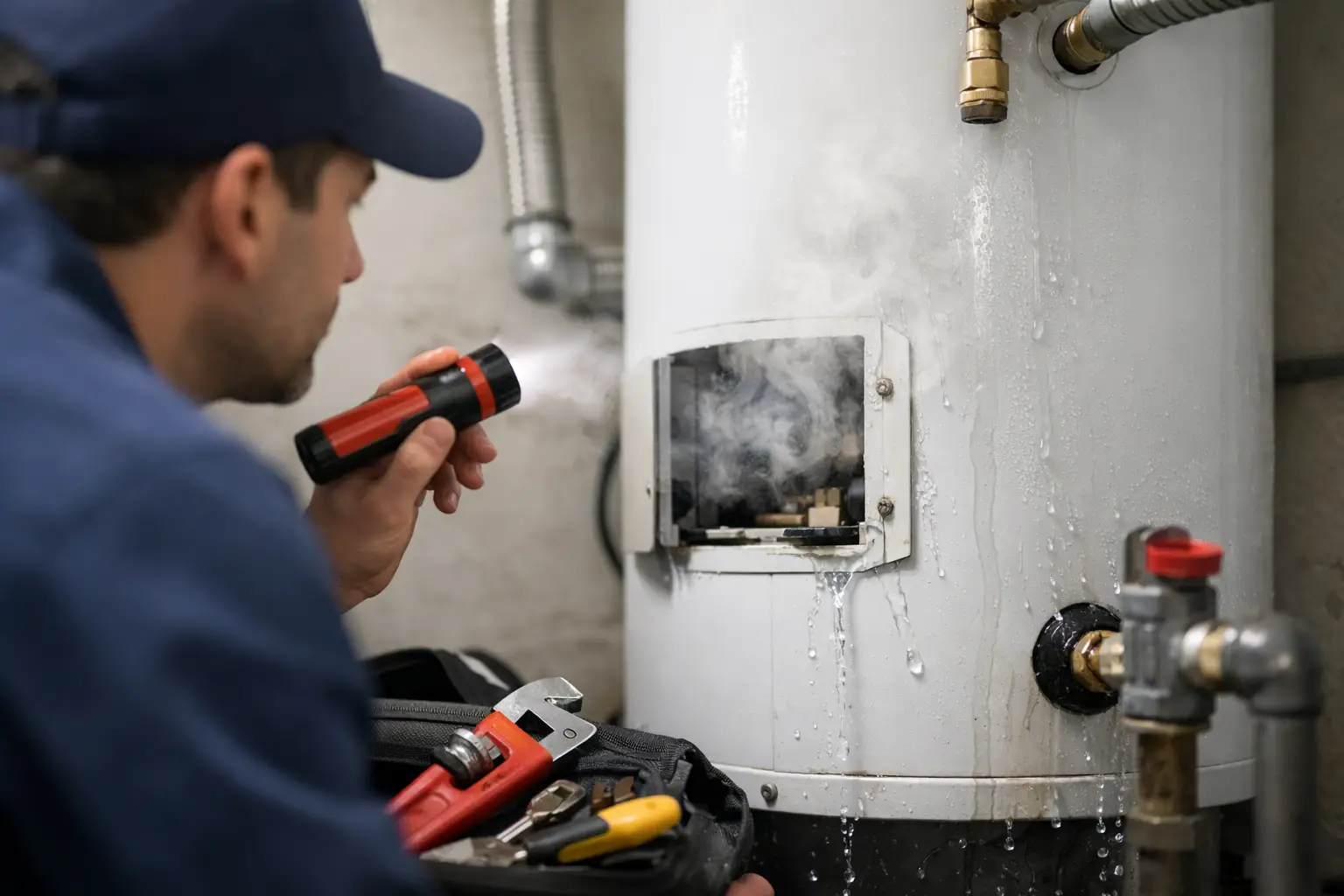
A cold shower before work is inconvenient. Water pooling beneath the heater, a burning smell, or water that suddenly runs far hotter than usual can be more serious. Water heater repair is often straightforward when the issue is identified early, but delaying it can lead to water damage, higher electricity use, and an unexpected loss of hot water for the household.
For villa households in Dubai, a water heater may serve a busy bathroom, a kitchen, or a full section of the home. That makes a clear diagnosis more useful than a temporary fix. Some problems come from a worn valve or a faulty heating element. Others point to pressure issues, corrosion, electrical faults, or a tank that has reached the end of its working life.
When Water Heater Repair Is Needed
A water heater does not always fail without warning. Small changes in performance are often the first clue. If hot water runs out much faster than it used to, for example, the heater may have a failing element, thermostat issue, or sediment buildup inside the tank.
Water that is only lukewarm can be caused by an incorrect temperature setting, but it can also signal a component fault. If the heater is electric, a technician should test the heating elements, thermostat, wiring connections, and electrical supply rather than assuming one part is responsible.
Leaks need quicker attention. A drip from a pipe connection, pressure relief valve, or drain valve may be repairable. Water coming from the bottom or body of the tank is more concerning, particularly if there are signs of rust. Internal tank corrosion cannot usually be repaired reliably, and replacement may be the safer long-term decision.
Common Signs to Watch For
Strange noises are another reason to arrange an inspection. Popping, rumbling, or banging can occur when mineral sediment collects at the bottom of a storage tank. The heater has to work harder to warm the water through that buildup, which can affect efficiency and put additional strain on the unit.
Discolored water may have several causes. Rust-colored hot water can indicate corrosion inside the heater or in nearby pipework. A metallic smell, an unusual odor, or visible particles should not be ignored, especially when the change appears only when using hot water.
A sudden increase in electricity consumption can also be connected to the heater. It is not proof on its own, since AC use and other household appliances affect bills, but an inefficient water heater can run longer than necessary to reach the set temperature.
What You Can Check Safely Before Booking
Homeowners can make a few simple observations before contacting a technician. Check whether the problem affects every hot-water outlet or only one bathroom. If only one tap or shower is affected, the cause may be a fixture, mixing valve, or local plumbing issue rather than the water heater itself.
Look around the unit for visible moisture, corrosion, or loose-looking pipe insulation. Note when the issue began, whether it is constant or intermittent, and whether there has been a recent power trip. These details help the technician arrive prepared and reduce time spent narrowing down the problem.
Do not remove electrical covers, adjust internal wiring, or attempt to bypass a thermostat. Water heaters combine electricity, pressurized water, and high temperatures. A repair that looks minor can become unsafe when the real cause has not been confirmed.
If there is active leaking, switch off the heater at the appropriate electrical isolation point if it is safe to do so. Avoid standing in water near electrical equipment. Where possible, turn off the water supply to the heater and arrange professional help promptly. If a pipe is leaking heavily, shutting off the relevant water supply can limit damage while you wait.
Repair or Replace? It Depends on the Condition
Not every faulty heater needs replacing. A failed thermostat, heating element, relief valve, or pipe connection can often be repaired at a sensible cost when the tank itself is in good condition. In many cases, targeted water heater repair restores normal performance and extends the unit's service life.
Replacement becomes more likely when there is internal corrosion, repeated leaks from the tank, major scale buildup, or frequent component failures. The age of the unit matters too. Repairing one isolated fault on a relatively newer heater can make good sense. Spending repeatedly on an older unit with a deteriorating tank may not.
The right decision should be based on the condition of the heater, the cost of the proposed repair, the availability of suitable parts, and the hot-water demand in your home. A large villa household may need a capacity and recovery-time assessment as well. Installing a similar-sized replacement without considering how the family actually uses hot water can lead to the same frustration all over again.
Dubai Conditions Can Affect Performance
Dubai's water conditions can contribute to mineral scale in plumbing and water-heating equipment over time. Scale can reduce heating efficiency and make internal components work harder. Regular inspections and suitable maintenance can help identify buildup before it causes a complete loss of hot water.
Many homes also have heaters installed in bathrooms, service areas, ceiling spaces, or other locations where a small leak may go unnoticed. Checking these areas periodically is worthwhile, particularly in properties that are vacant for part of the year or managed by a landlord from a distance.
Why a Proper Diagnosis Matters
It is tempting to replace the most obvious part first. But a heater that keeps tripping its breaker, for example, may have a faulty element, damaged wiring, moisture affecting connections, or another electrical issue. Replacing a thermostat without testing the system can create an unnecessary bill without solving the underlying problem.
A professional visit should include checking the heater's condition, visible connections, temperature control, electrical operation, and sources of leakage. The technician should then explain whether a repair is appropriate, what work is required, and whether there are warning signs that make replacement the more responsible option.
Clear communication is especially valuable when the property is rented or when several bathrooms are involved. Landlords need to understand the cause and recommended work. Families need to know whether hot water will be unavailable temporarily and whether the issue requires urgent action.
Preventing Unexpected Hot-Water Problems
Water heaters benefit from attention before they fail. Periodic inspection can catch corrosion at connections, pressure valve concerns, and early leaks. Where appropriate, tank flushing can help manage sediment, although the best approach depends on the heater type, its age, and the condition of the water system.
Avoid setting the water temperature excessively high. Overheating increases energy use and can create a scalding risk, particularly for children and older family members. A technician can advise on an appropriate setting for the unit and household needs.
It also helps to include the water heater in a wider home-maintenance routine. An Annual Maintenance Contract can be a practical option for households that would rather address small plumbing, electrical, and AC issues before they turn into inconvenient call-outs. Homes Done Right can assess water-heater concerns alongside the connected plumbing and electrical systems, so the repair plan reflects the condition of the home rather than just the symptom.
When to Call for Urgent Help
Arrange urgent support if you smell burning, see smoke, notice sparking, find significant water near electrical components, or hear unusual pressure-related sounds. A pressure relief valve that is releasing water repeatedly also needs assessment. It may be doing its job, but repeated discharge can indicate a temperature or pressure problem that should not be left unresolved.
For less urgent symptoms, such as reduced hot-water duration or occasional noise, booking an inspection before the heater stops working is still the easier path. You have more time to consider repair versus replacement, coordinate access to the property, and avoid an emergency disruption.
A reliable hot-water system is easy to overlook until it fails. Paying attention to the first leak, sound, or temperature change gives you a better chance of resolving the issue calmly, protecting the property, and keeping daily routines on track.